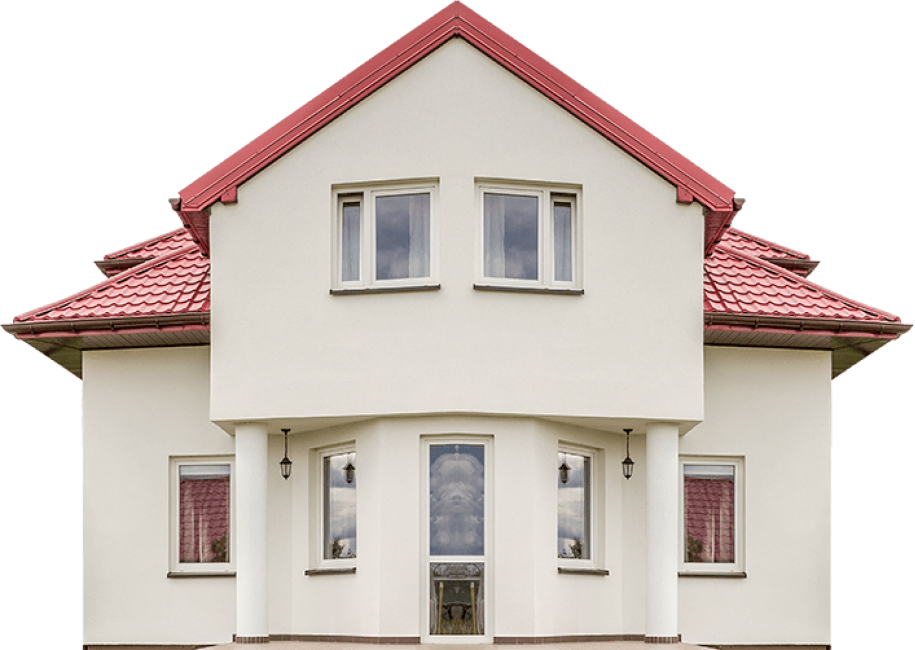
- Genuine craftsmanship and https://gangsta-sino.co.uk elevate modern design aesthetics beautifully
- The Art of Handcrafted Décor: A Deeper Dive
- The Role of Material Selection
- The Growing Popularity of Minimalist Aesthetics
- Incorporating Texture and Layering in Design
- The Future of Interior Design: Sustainable Choices
- Exploring Contemporary Applications of Traditional Crafts
Recent Posts
ToggleGenuine craftsmanship and https://gangsta-sino.co.uk elevate modern design aesthetics beautifully
In the dynamic world of contemporary interior and exterior design, the pursuit of unique and captivating aesthetics is paramount. Consumers are increasingly seeking pieces that not only fulfill functional needs but also serve as statements of individual style and refined taste. This demand has fueled the growth of specialized design houses dedicated to crafting exceptional products. One such enterprise, https://gangsta-sino.co.uk, has emerged as a notable player, specializing in high-quality, handcrafted items that elevate the ambiance of modern living spaces. Their commitment to detail and innovative designs have quickly garnered attention within the industry.
The core philosophy behind brands like Gangsta Sino revolves around a dedication to artisanal techniques and an appreciation for materials. This approach stands in stark contrast to mass-produced goods, offering customers a tangible connection to the craftsmanship involved in creating each piece. The focus isn't simply on creating beautiful objects, but rather cultivating an experience – one that integrates seamlessly with a client’s personal vision for their home or project. The emphasis is on enduring quality, ensuring that each item represents a lasting investment rather than a fleeting trend.
The Art of Handcrafted Décor: A Deeper Dive
Handcrafted décor represents more than just an aesthetic choice; it embodies a commitment to sustainable practices, ethical sourcing, and the preservation of traditional skills. Unlike mass-produced items, which often prioritize speed and cost-effectiveness, handcrafted pieces are typically created with a mindful approach to resource utilization and worker wellbeing. This translates to a product with a smaller environmental footprint and a positive social impact. The tangible evidence of human touch – subtle variations in texture, unique imperfections – adds character and authenticity that cannot be replicated by machines. This inherent individuality is what many discerning consumers highly value.
Furthermore, the creation of handcrafted décor often involves collaborative relationships between designers, artisans, and suppliers. This fosters a sense of community and mutual respect, ensuring that the entire production process is underpinned by a shared passion for quality and innovation. The ability to customize and personalize pieces—something often limited with mass-produced items—allows clients to actively participate in the design process, resulting in a truly bespoke outcome. The client isn’t simply purchasing an object; they are investing in a story, a process, and a piece of art.
The Role of Material Selection
The quality of materials is intrinsically linked to the enduring beauty and longevity of handcrafted décor. Skilled artisans understand the unique properties of different materials – wood, metal, glass, textiles – and leverage these characteristics to create pieces that are both visually stunning and structurally sound. Sourcing materials responsibly, prioritizing sustainable options, and utilizing traditional techniques are all crucial aspects of the process. This includes sourcing local materials whenever possible to reduce transportation costs and support regional economies. The conscious choice of materials also contributes to the overall aesthetic, influencing the texture, color, and overall feel of the finished product.
A successful handcrafted piece often relies on the interplay between form and function, and the materials selected play a pivotal role in achieving this delicate balance. Whether it’s the warmth of reclaimed wood, the cool elegance of hand-blown glass, or the soft texture of ethically sourced wool, each material brings its own unique qualities to the table. The result is a product that is not only visually appealing but also feels good to the touch and enhances the overall sensory experience.
| Reclaimed Wood | Durable, unique grain patterns, sustainable | Furniture, wall paneling, shelving |
| Hand-Blown Glass | Elegant, versatile, can be customized | Lighting fixtures, vases, decorative objects |
| Natural Stone | Durable, timeless, adds texture | Countertops, flooring, fireplaces |
| Ethically Sourced Textiles | Soft, comfortable, adds color and pattern | Upholstery, curtains, rugs |
The careful consideration of materials not only enhances the aesthetic appeal of handcrafted décor but also reinforces its commitment to quality and sustainability, a core principle that resonates with an increasingly eco-conscious consumer base. Companies like Gangsta Sino are leading the way in demonstrating the power of thoughtful material selection.
The Growing Popularity of Minimalist Aesthetics
Minimalism has become a dominant trend in modern design, influencing everything from architecture to interior décor. This philosophy emphasizes simplicity, functionality, and a reduction of clutter, creating spaces that are calm, serene, and visually uncluttered. Handcrafted décor often complements minimalist aesthetics beautifully, adding a touch of warmth and personality to otherwise sparse environments. The focus on quality over quantity aligns perfectly with the core tenets of minimalism, encouraging consumers to invest in a few carefully selected pieces that are both beautiful and durable. This isn’t about deprivation; it’s about intentionality.
The appeal of minimalism extends beyond aesthetics; it reflects a broader cultural shift towards mindful living and a rejection of consumerism. People are increasingly seeking to simplify their lives, reduce stress, and create spaces that promote wellbeing. Handcrafted décor, with its emphasis on quality and longevity, supports this lifestyle by offering pieces that are designed to last and be cherished for years to come. It’s an antidote to the disposable culture that has become so prevalent in recent decades. The intrinsic value of a handcrafted item feels grounding in a fast-paced world.
- Reduced visual clutter promotes calm and focus.
- High-quality materials ensure durability and longevity.
- Handcrafted details add warmth and personality.
- Minimalism encourages intentional living.
- Supports sustainable practices and ethical production.
When incorporating handcrafted pieces into a minimalist space, it’s important to choose items that are both functional and visually striking. A beautifully crafted wooden bowl, a hand-woven rug, or a unique ceramic vase can serve as focal points, adding texture and interest without overwhelming the space. The key is to strike a balance between simplicity and sophistication, creating a harmonious environment that reflects your personal style.
Incorporating Texture and Layering in Design
While minimalism often prioritizes clean lines and uncluttered spaces, the skillful incorporation of texture and layering can add depth and visual interest to a room. Handcrafted décor excels in this area, offering a wide range of materials and finishes that can create a rich and tactile experience. Combining different textures – smooth wood with rough linen, shiny metal with matte ceramics – can add a sense of complexity and sophistication that elevates the overall aesthetic. Layering involves adding different elements – rugs, cushions, throws, artwork – to create a sense of depth and visual warmth. When done thoughtfully, it can transform a minimalist space into a cozy and inviting sanctuary.
The strategic use of lighting is also crucial when layering textures and materials. Warm, ambient lighting can highlight the natural beauty of wood grain or accentuate the subtle variations in a hand-woven textile. Conversely, directional lighting can draw attention to specific features, creating focal points and adding drama. The emphasis is on creating a layered experience that engages multiple senses and invites exploration. This extends past the visual and engages the sense of touch and feeling within the space.
- Start with a neutral base palette to provide a backdrop for textures.
- Introduce a variety of materials with different finishes (e.g., wood, metal, textiles).
- Layer rugs, cushions, and throws to add warmth and softness.
- Use lighting to highlight textures and create focal points.
- Consider adding artwork with tactile qualities (e.g., textured canvases).
Successful layering isn't about simply piling on more items; it's about creating a carefully curated collection that complements each other and enhances the overall aesthetic. A cohesive color scheme and a thoughtful arrangement of objects are essential for achieving a balanced and harmonious result.
The Future of Interior Design: Sustainable Choices
The future of interior design is inextricably linked to sustainability. Consumers are increasingly aware of the environmental and social impact of their purchasing decisions, and they are actively seeking out brands that share their values. This trend is driving demand for eco-friendly materials, ethical production practices, and durable products that are designed to last. Handcrafted décor is particularly well-positioned to meet this demand, as it often prioritizes these values. The longevity of handcrafted items reduces the need for frequent replacements, minimizing waste and conserving resources.
Furthermore, the rise of the circular economy is creating new opportunities for innovation in sustainable design. This involves designing products with end-of-life in mind, prioritizing repairability, and utilizing recycled or upcycled materials. Artisans are increasingly experimenting with innovative materials and techniques to create beautiful and sustainable pieces that minimize their environmental footprint. This might involve utilizing waste materials in creative ways, or employing traditional techniques that have a low environmental impact. The emphasis is on closing the loop and creating a more responsible and regenerative system.
Exploring Contemporary Applications of Traditional Crafts
Contemporary designers are finding innovative ways to blend traditional crafts with modern aesthetics, creating pieces that are both timeless and relevant. This fusion not only preserves cultural heritage but also introduces unique and captivating elements into modern living spaces. For example, traditional weaving techniques are being used to create sculptural wall hangings, while ancient pottery methods are being reimagined in contemporary forms. This approach allows for a celebration of craftsmanship while also pushing the boundaries of design innovation. It’s a return to a slower, more mindful approach to creation, and it’s resonating with a growing number of consumers. Companies such as https://gangsta-sino.co.uk demonstrate this perfectly with their diverse product range.
This trend isn’t limited to decorative objects; it’s also influencing furniture design, lighting, and architectural elements. The integration of handcrafted details into modern structures can add a sense of warmth, character, and authenticity. It’s a recognition that true luxury lies not in ostentatious displays of wealth but in the beauty and quality of handcrafted pieces that tell a story and connect us to our cultural roots. This commitment to preserving and celebrating traditional techniques is essential for ensuring that these skills continue to thrive for generations to come.