
The house edge on a roulette five number bet is usually 7.89% on a single-zero wheel, or 15.79% on a double-zero wheel. A five-number basket covers 0, 00, 1, 2 and 3, paying 6:1. Its appeal comes from combining a broad spread of numbers with a generous-looking return, but the casino still retains a meaningful mathematical advantage.
The exact result also depends on the wheel and the rules attached to special bets. For Australian adults, interface clarity, currency display and readable bet placement matter just as much as remembering which pocket received the ball. Here is how the maths works and what to inspect before staking real money.
House Edge Explained Through the Numbers
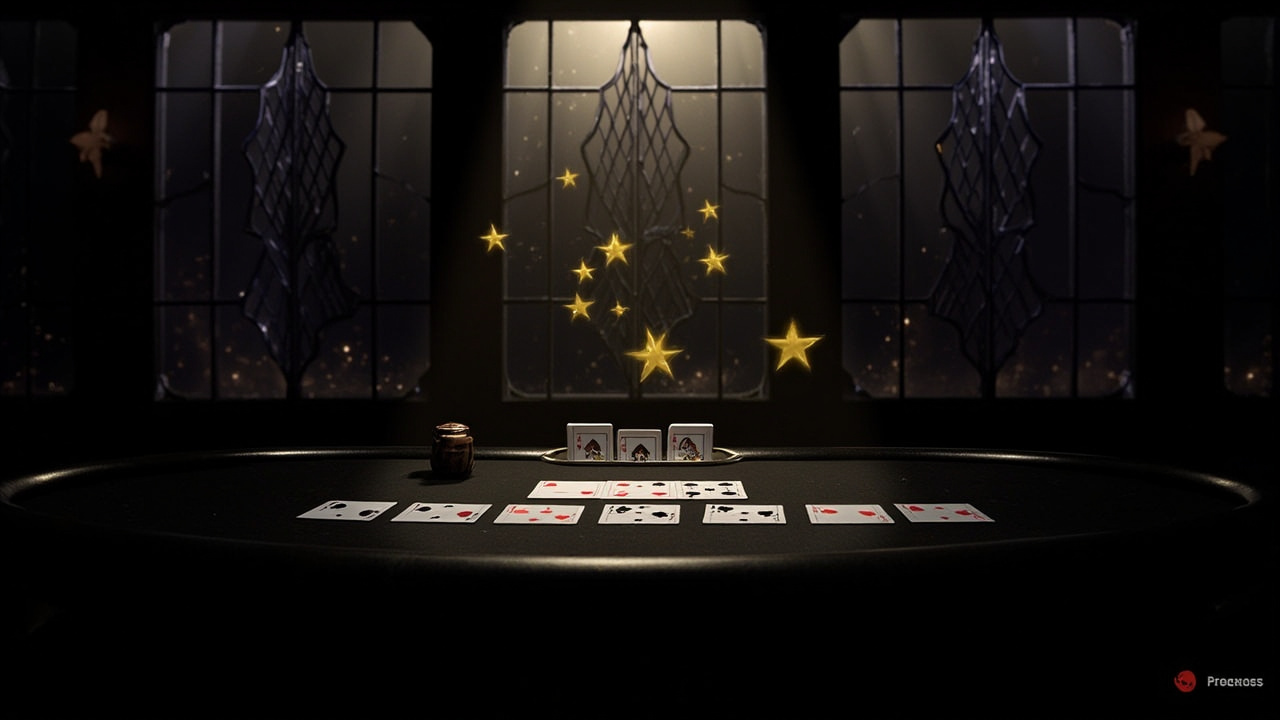
A five-number bet is technically a basket-style wager covering five pockets. On an American roulette wheel with 38 pockets, a successful bet returns six times the stake plus the original stake. That means the gross return is 7 units for every 1 unit wagered.
Calculate the five winning outcomes against 38 possible pockets and the loss rate becomes 33/38, or 86.84%. Multiply that by the 7:1 net win to find the expected loss: 33/38 × 7 = 6.0789 units. As a percentage of the original wager, the house edge is therefore 7.89%.
The European wheel changes both the composition and the calculation. With 37 pockets and the same 6:1 payout, the house edge becomes 15.79%. The Australian casino experience should therefore make the wheel type unmistakable before you commit. A bet that feels generous on a 37-pocket layout is materially weaker on a 38-pocket one.
“Specifics matter more than headlines here,” says Thomas Campbell, Senior Market Analyst, Flinders Interactive Group. “The same five-number wording can produce a very different edge depending on whether the table runs European or American rules.”
Daniel Thompson, Board Member, Brighton Beach Betting Lab, adds another practical caveat: “The stake limit tells you what the table accepts, but the wheel and payout determine what the wager is actually worth.”
This calculation assumes a standard table where the five-number bet pays 6:1. It does not account for promotional rules that alter payouts, refund portions of losing wagers or apply conditional rebates. Those mechanics need their own plain-English explanation.
Reading the Roulette Interface Clearly
The maths is fixed, but the table presentation can make the wager harder to understand than it needs to be. Strong roulette interfaces identify the wheel format, place the five covered numbers in one visually distinct area and show the payout beside the bet. The bet label should also explain that it includes zero or both zeros, depending on the table.
For beginners, here is a straightforward way to approach it:
- Check the wheel type near the table heading. Do not assume every roulette wheel follows the same rules.
- Locate the five-number basket or “first five” betting area.
- Confirm that it covers 0, 00, 1, 2 and 3 on an American wheel.
- Read the payout shown on the felt or in the betting panel; it should be 6:1.
- Select a stake in Australian dollars and check the potential return before confirming.
- Watch the result screen identify the winning number and settle the wager transparently.
Search can be useful too, particularly when a table uses unfamiliar terminology. A clear search function should locate roulette rules, payout information and game history without sending players through a maze of menus. More importantly, the search result should state whether the table has 37 or 38 pockets.
Navigation should keep the roulette lobby organised by variant. Separate tabs for European, American and special-rule tables prevent a hurried tap from landing on a wheel with the wrong house edge. The same principle applies to mobile play: zoomed-in number layouts, compact chip controls and a visible bet-confirmation step matter when the screen is busy.
Adam Shin’s partnership work at Massive Gaming has a useful commercial lesson here: a supplier’s launch strength is not enough if the player-facing controls blur the rules. Clear localisation and usable information architecture can improve conversion, but they cannot make a 15.79% house edge sound smaller than it is.
Localisation, Currency and Real-World Usability
An Australian-facing product should default to AUD, use Australian English and avoid leaving important terms unexplained. That includes spelling out “house edge” in the rules information and explaining the payout as a net win rather than an ambiguous total return. It also means showing the full stake and potential return before the wager is accepted.
Currency conversion deserves special attention. If players can change the display into another currency, the exchange rate, conversion timing and rounding method should be disclosed. A stake of $10 should not quietly become a different amount after the player has selected a chip.
Support should also be close to the game without interrupting it. A rules panel should answer whether the wheel is single-zero or double-zero, what numbers are covered and what happens if the wager lands on zero. If live assistance is needed, it should be reachable through the table interface and available in Australian English.
“Localisation is more than translating labels,” says Emily Parker, Sports Betting Analyst, Southern Reef Gaming. “A decimal display, unfamiliar payout wording or unclear zero handling can change how a player understands the same mathematical wager.”
Consider the information architecture in practical terms. The variant, edge and payout should be visible before staking. A persistent rules link should remain available during play. Receipts should identify the wheel, wager type, stake and settlement. Mobile screens should preserve those details rather than hiding them behind a generic history screen.
For further context, Australian players can compare roulette odds and house edge calculations in this roulette odds guide. It is a useful second check when a table’s special rules differ from the standard format.
Making a Deliberate Choice at the Table
The five-number bet is not automatically a strong value. Its 7.89% edge on a single-zero wheel is higher than the 2.70% edge on a standard European number bet. On a double-zero wheel, the disadvantage rises further to 15.79%. The broader coverage improves the chance of hitting a winning pocket, but the 6:1 payout does not compensate for the house’s numerical advantage.
Set a spending limit before playing and treat the stake as entertainment expenditure, not an expected investment. Check whether the game is available through a properly licensed Australian operator or venue and follow any identity, location and account requirements. Never bypass verification or geo-blocks, and do not treat a promotional offer as neutral if its conditions change the wager’s effective edge.
The operator experience should make the decision easier without steering it. A clear rules panel, AUD display, transparent receipt and responsive mobile design add practical value, but the number that matters remains the published house edge. Know the wheel, know the payout and know the cost before placing the five-number bet.
Sources and References
-
roulette odds guide – Australian-focused odds and house edge calculations.
-
Gates Olympus Super Scatter – an Australian-facing gaming site with localised information and game navigation.


